





Crowded Teeth
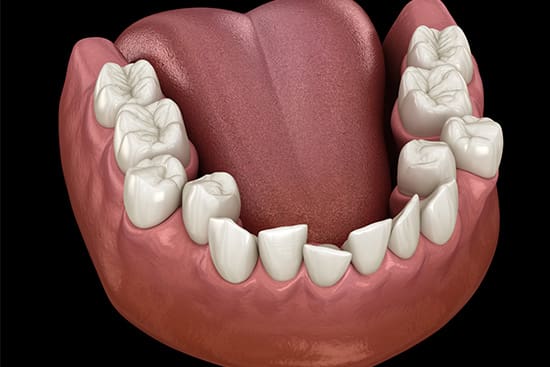
If there isn’t enough room in your mouth for your teeth to sit in their properly aligned positions, then they will crowd together, rotating out of place in the process. Not only can this take a serious toll on your self-esteem, but you’re at an increased risk of developing tooth decay, gum disease, and other common oral health problems. That’s why we recommend exploring your treatment options, like Invisalign, sooner rather than later.
Gaps Between Teeth
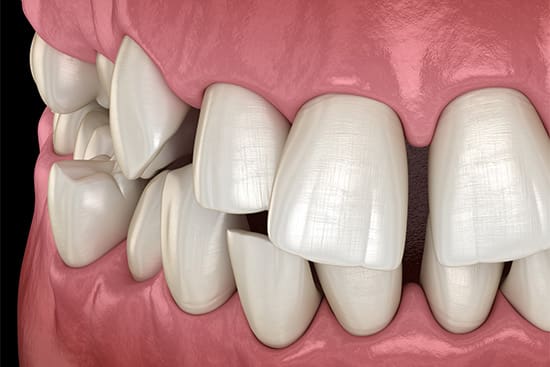
Of course, some patients are struggling with the opposite problem: there is too much space in their mouths, resulting in noticeable gaps. If you’re struggling with spaced-out teeth, then you know first-hand the negative impact they can have on your self-esteem. The best thing to do is schedule a consultation with us; you may be surprised to find out that you’re a good candidate for Invisalign!
Overbite
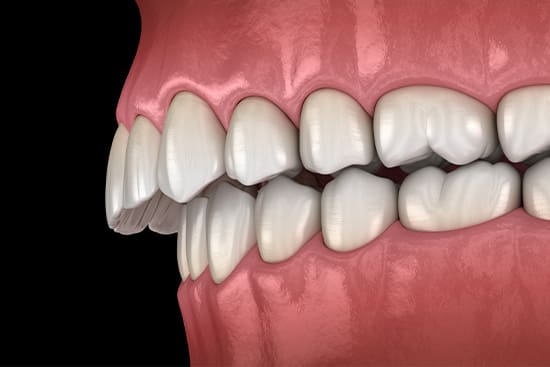
If smiling confidently and enunciating clearly is difficult because your upper teeth extend beyond your lower ones more than they should, you might be wondering if Invisalign can fix overbites. Fortunately, the answer is usually “yes” for patients with mild to moderate cases. So, don’t just assume that your only path to a straighter, healthier smile involves noticeable brackets and wires!
Underbite
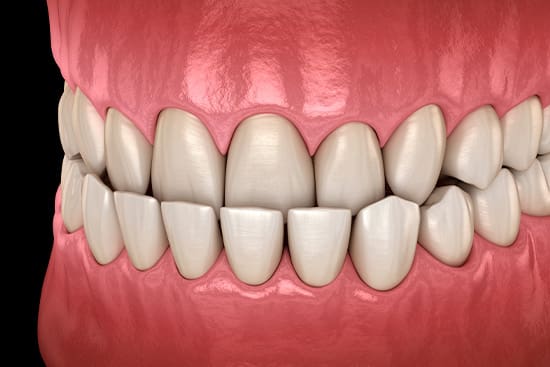
What if your lower teeth sit in front of your upper ones? This orthodontic problem is known as an underbite, and it can lead to everything from low self-esteem to chronic jaw pain, which is why it’s important to have yours corrected. The good news is that clear aligners can often be used in tandem with rubber bands, buttons, and attachments to address bite issues like this!
Crossbite

If you bite down and only some of your upper teeth sit behind your lower ones, then you might have a crossbite. Like the other orthodontic problems on this list, several issues can arise if it isn’t treated, including premature wear and tear on certain teeth. The good news is that Invisalign is often an option. If that’s the case for you, then the journey to your dream smile will be completely metal-free.
Open Bite
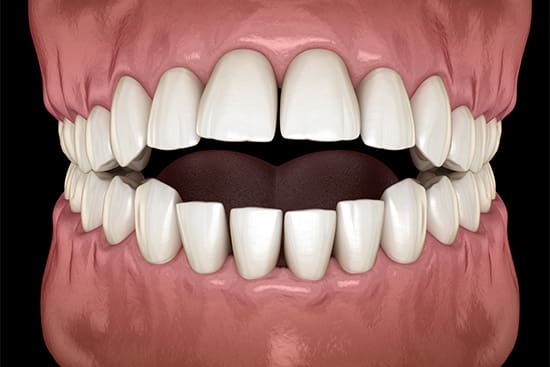
When you bite down, your upper and lower teeth should come together evenly. If there is a space between the two that’s preventing that from happening, then you may have an open bite. The good news is that Invisalign clear aligners are often a solution, particularly for patients with mild to moderate cases.

There Aren’t Any Dietary Restrictions

In an effort to prevent the brackets and wires from breaking, patients with traditional braces are asked to abide by certain dietary restrictions. Since Invisalign aligners are removable, that’s not necessary. In fact, as long as you take them out before eating or drinking anything other than water, you’re free to enjoy all of your favorite foods! Just do your best not to overindulge on cavity-causing ones, like taffy and lollipops, since that can lead to lengthy treatment plan delays.
It’s Easy to Maintain a Healthy Smile

Another difference between traditional braces and Invisalign is that patients with the former often need to use interproximal toothbrushes, pre-threaded floss, and other special oral hygiene products to keep their smiles healthy. With Invisalign, it’s much simpler because the aligners are removable. So, once you take them out, you can brush, floss, and rinse with mouthwash like usual. Then, clean your aligners and put them back on. It’s that easy!
There Are Fewer and Shorter Appointments

Since Invisalign is virtually mapped in a 3D software program, there’s no need to “adjust” your appliances every month. Instead, you’ll be given several sets of aligners at a time, which allows you to progress through portions of your treatment plan at home. Then, every 6-8 weeks, you’ll come to our office so we can monitor your progress. These visits are usually pretty brief, making them easy to work into even the busiest of schedules.
There Aren’t Any Metal Components

With no irritating metal appliances, Invisalign’s smooth and contoured shape is easier on your mouth. In fact, many patients don’t experience any soft tissue irritation throughout the teeth-straightening process with clear aligners. Generally, the only discomfort that arises is from the movement of the teeth, which is good news (it means the trays are working!). Plus, you can always use a cold compress or take OTC pain medication to alleviate soreness, pressure, and sensitivity quickly.
The Aligners Are Basically Invisible

Finally, one of the biggest benefits of Invisalign is how discreet the aligners are. Since they are crafted from smooth, metal-free plastic and custom-made to fit the contours of your teeth perfectly, they are practically invisible when you’re talking or smiling around other people. In short, unless you’re looking up close from just a few inches away, it’s difficult to tell there’s anything there.

Wearing Your Trays

Invisalign works best when trays are worn 20–22 hours per day, which means they should stay in your mouth unless you’re eating, drinking anything besides water, or brushing. Every set of trays is designed to guide your teeth a little closer to their final positions, and most patients switch to a new pair every one to two weeks. The more consistently you wear them, the smoother and faster your progress will be.
Cleaning Your Aligners
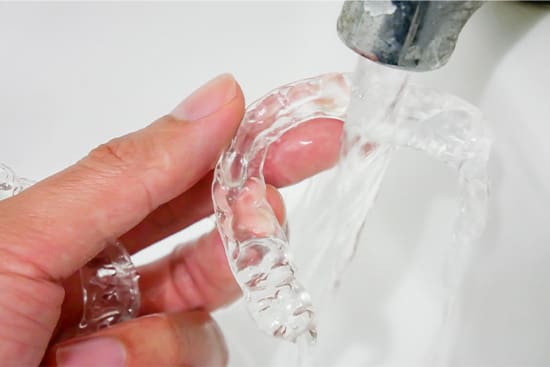
Clean aligners are essential for both oral health and appearance. Fortunately, adding this step to your routine is easy. Rinse your trays whenever you remove them, brush them gently with a soft toothbrush, and soak them as directed to keep them clear and odor-free.
A great way to form the habit is to pair tray cleaning with your morning and nighttime oral care. Keeping your aligners clean helps prevent staining and keeps your trays looking nearly invisible.
Eating & Drinking

Many patients love Invisalign because they can continue enjoying all their favorite foods. Since trays must be removed whenever you eat or drink anything but water, you won’t have the food restrictions that come with braces. That said, you’ll need to rinse your mouth and clean your trays before putting them back in to avoid trapping food particles. Most people adjust quickly, and many of our patients have said the routine helps them be more mindful about snacking.
Losing or Damaging a Tray

Accidents happen, and losing or damaging an aligner isn’t the end of the world. In most cases, you can simply return to your previous set of trays while our Waban dental team orders a replacement. This prevents your teeth from shifting backward while you wait for the new aligner. However, this depends on where you are in the process, so if a tray cracks or goes missing, call us right away. Our team can keep your treatment on schedule and minimize delays.
Routine Check-Ins
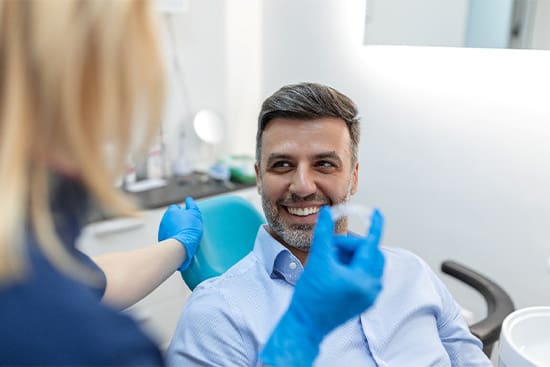
Even though Invisalign is low-maintenance, you’ll still have periodic check-ins so your dentist can ensure your teeth are moving as planned. These appointments are typically brief—often just a quick look, a progress update, and instructions for your next set of trays. These visits help us confirm that everything is going according to your treatment plan and allow you to ask questions or discuss any concerns.
Factors That Affect the Cost of Invisalign
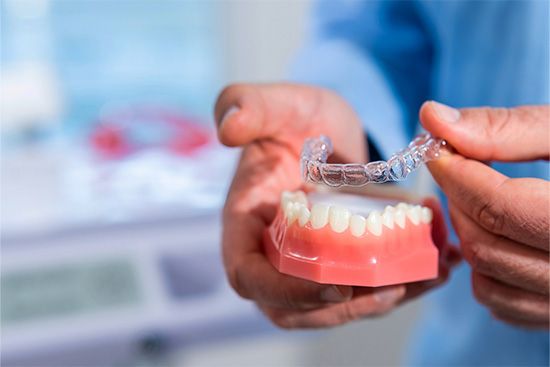
During your consultation, we will determine:
- If you’re a candidate for single-arch treatment
- If any preliminary services are needed
- How many aligners must be made
- If rubber bands or any other orthodontic accessories are needed
- The type of retainer we need to make
Keep in mind that these are just the factors that will impact the cost upfront. If you consistently misplace your aligners or fall off-track with your treatment plan because you aren’t wearing them for 20+ hours each day, then there may be additional fees.
Invisalign vs. Mail-In Aligners: Which Costs More?
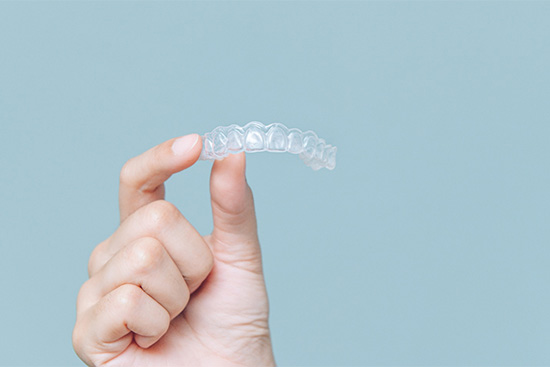
Almost always, Invisalign requires a higher upfront investment. Before you let that deter you, it’s important to consider how mail-order alternatives cut costs. Usually, it’s because they don’t complete a comprehensive oral exam, they rely on DIY impressions, and they don’t have licensed dental professionals overseeing the teeth-straightening process. As a result, many end up experiencing worsened misalignment, dental damage, and, perhaps worst of all, nowhere to turn for help. So, the best thing for your smile and your wallet is to choose a reputable, safe, and proven service, like Invisalign.
Does Dental Insurance Cover Invisalign?

There are some dental plans that include a once-in-a-lifetime orthodontic benefit. So, if you are insured and are interested in Invisalign, don’t hesitate to provide us with your membership information! Since we welcome dental insurance and are in-network with Delta Dental Premier, we can review your benefits and provide you with an estimate of your out-of-pocket expenses. We can also file the claims on your behalf, after answering any questions you have, of course.