



Achieve a Straighter and Healthier Smile
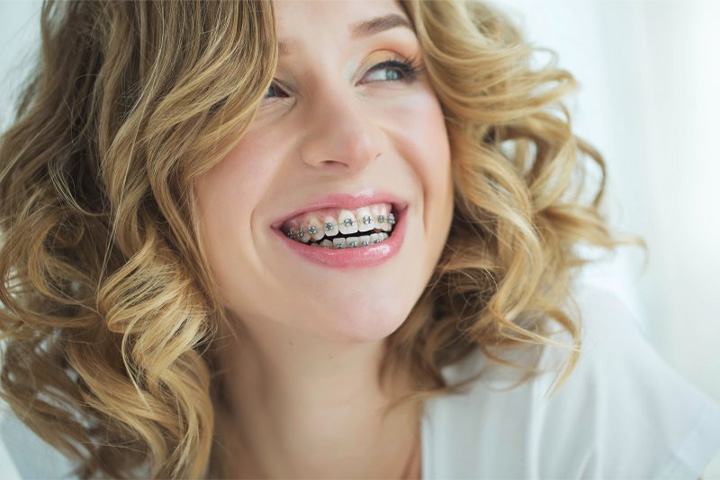
Dental misalignments like crowding, gaps, overbites, underbites, open bites, and crossbites can leave the teeth and gums vulnerable to injury, make oral hygiene more difficult, and put excessive strain on the jaw joints. Thankfully, traditional braces are a tried and proven way to address these issues by straightening the teeth into healthier and more visually pleasing positions. Here’s a quick look at how traditional braces work from the friendly team at Waban Dental Group, but please feel free to schedule a consultation at our Newton office if you’d like to know more.
Why Choose Waban Dental Group for Traditional Braces?
- Skilled and Compassionate Orthodontist
- Address Mild to Severe Dental Misalignments
- In-network with Delta Dental Premier
How Do Traditional Braces Work?

Untreated dental misalignments can lead to a host of unpleasant oral health problems like gum injuries, uneven enamel erosion, TMJ disorders, grinding, accelerated tooth decay, and aches of the head, back, and neck. Braces use a system of metal brackets with wires running through them to gradually pull the teeth into better alignment, which can resolve gaps, crowding, overbites, underbites, crossbites, and open bites. The process involves the patient adhering to a set of crucial orthodontic instructions while keeping up with regular adjustment appointments every six to eight weeks, and it can usually be completed in one to three years depending on the severity of the misalignment.
What Orthodontic Issues Can Braces Fix?
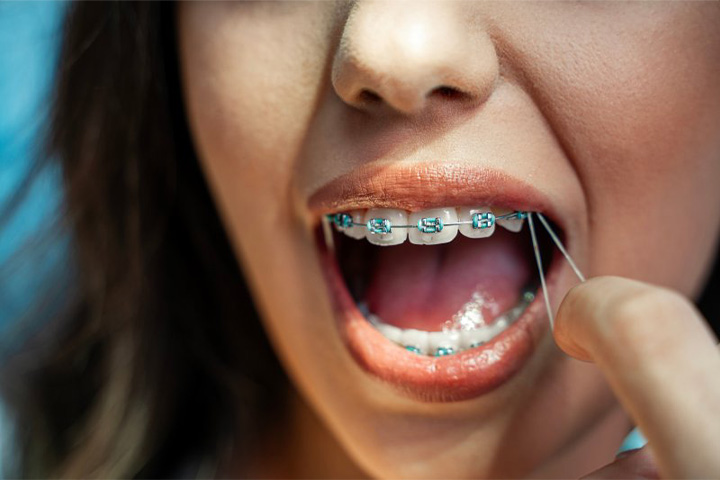
The first step to determining the best way to address your dental misalignment is to schedule a consultation at our office in Newton. Based on our orthodontist’s findings, we may recommend braces to address:
Bite Misalignment
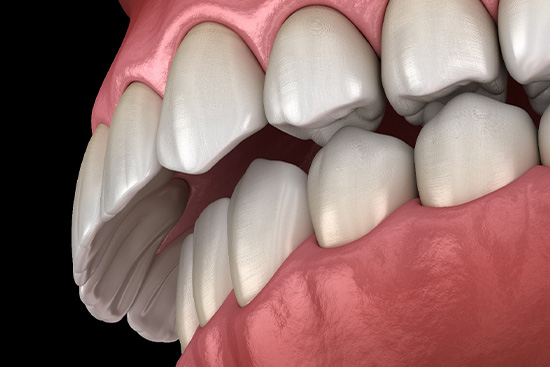
Misalignments like overbites, underbites, crossbites, and open bites can put excessive strain on a few areas of the teeth, which can lead to grinding, uneven enamel wear, and TMJ problems. Braces can address these issues by guiding the teeth into healthier alignments that distribute the pressure of chewing more evenly along the dental arches.
Crowded & Crooked Teeth
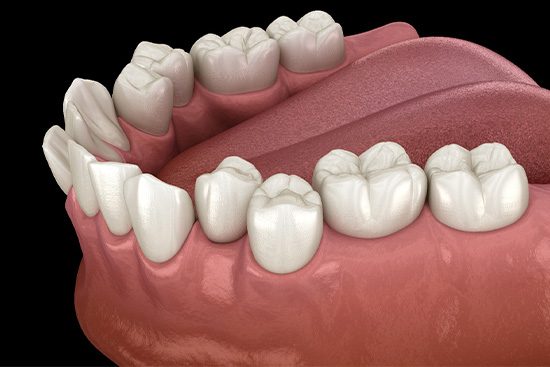
Crowding and crookedness can make teeth harder to clean and easier to injure, which can set a patient up for dental injuries, oral infections, and tooth loss. Braces can spread the teeth out so they sit next to one another more evenly.
Gapped Teeth
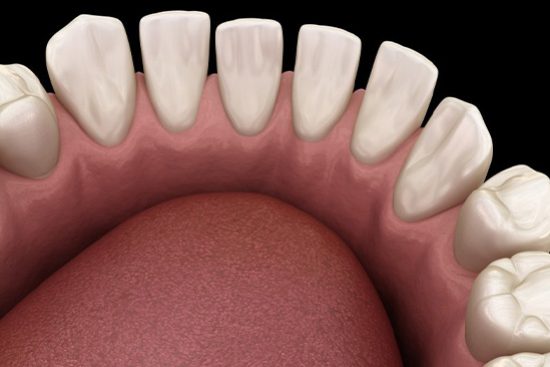
Gaps between the teeth can leave the gums more vulnerable to injury, and some people find them visually distracting. Braces can pull the teeth closer together to shelter the gums and enhance the appearance of the smile.
Caring for Your Braces

You’ll need to adhere to a detailed set of treatment instructions to keep your orthodontic process on track. These will probably include:
- Thorough oral hygiene: You’ll need to brush and floss several times a day while using specialized tools to clean between and around your braces.
- Dietary restrictions: Foods and beverages that are chewy, crunchy, sugary, or acidic can complicate the orthodontic process, so it’s best to avoid them.
- Follow-up appointments: You’ll need to visit our office every six to eight weeks so we can monitor your progress, adjust your braces, and advise you as to better hygiene and maintenance practices as needed.
Traditional Braces FAQs
What Can You Not Eat with Traditional Braces?
There are a few foods that we recommend avoiding, starting with tortilla chips, hard pretzels, whole apples, and popcorn. Additionally, you should steer clear of sticky sweets, like caramel-filled candies and taffy. The reason for this is simple: we want to help you avoid an orthodontic emergency and stay on track with your treatment plan!
Am I Too Old to Get Braces?
All too often, patients assume that if they are in their 30s, 40s, or 50s, they are too old to get braces. That’s simply not the case. After all, you’re never too old to have a healthy, confident smile! So, if you want to fix crooked teeth, an overbite, or another common orthodontic problem, don’t hesitate to schedule an appointment with our team at Waban Dental Group. That way, we can learn about your dental history, assess the severity of your misalignment, and make sure your teeth and gums are healthy. From there, we can determine if you’re a good candidate for traditional braces.
How Can I Reduce the Cost of Traditional Braces?
Patients are often surprised to hear this, but some dental insurance providers do cover a portion of the cost of braces. So, if you are insured, you shouldn’t hesitate to give us your membership information when you call to schedule your appointment! We’re proud to be in-network with Delta Dental Premier, and we’d be happy to do our part to make understanding and utilizing your available benefits easy.
Do Traditional Braces Hurt?
To be honest, it is normal to experience soreness from time to time, particularly in the hours following your adjustment appointments. Don’t let that stop you from pursuing a straighter smile, though. After all, there are several steps you can take to alleviate any discomfort that arises, starting with placing a cold compress against the outside of your cheek. You can also cover any sharp edges of your brackets or wires with dental wax (this will help prevent soft tissue irritation).
How Long Do Traditional Braces Take?
Usually, traditional braces in Newton take between one and three years. However, the length of your teeth-straightening journey may fall outside of that time frame. After all, there are several factors at play, including the severity of your misalignment and how well you follow the guidelines that we give you. The good news is that we can give you a general estimate during your initial consultation and discuss the steps you can take to avoid falling off track with your treatment plan, like prioritizing your adjustment appointments.
What Happens After You Get Your Braces Off?
Oftentimes, patients are surprised to learn that the treatment process doesn’t end when we remove the brackets and wires. In fact, the final step is very important: the retention phase. This is when we will have a custom retainer. It’s crucial that you wear yours as directed, especially if you want to preserve your hard-earned results.